"Writing that refuses to be "neat" : Lessons from Adichie for Every Creative”
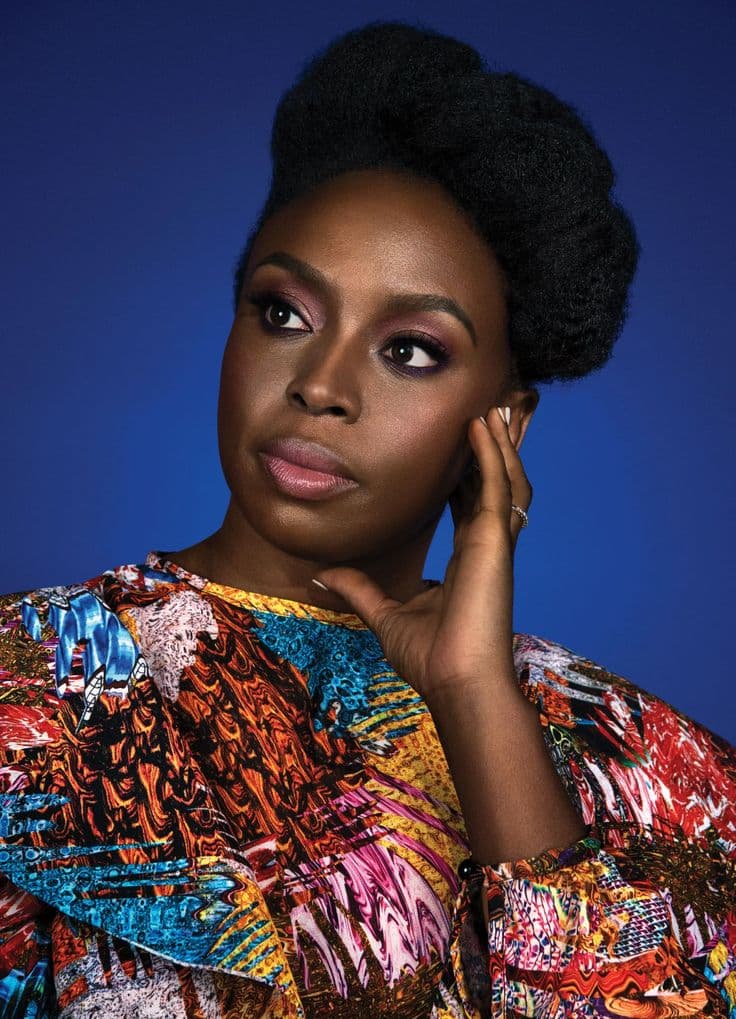
There are writers you read, and then there are writers who read you back, in other words they know you. Chimamanda Ngozi Adichie belongs firmly to the second kind. To encounter her work for the first time is to feel seen in places you didn’t even know had names. As a creative, that’s both inspiring and unsettling, because suddenly, the standard is no longer just “tell a story,” but “tell a truth so precise it's scary”.
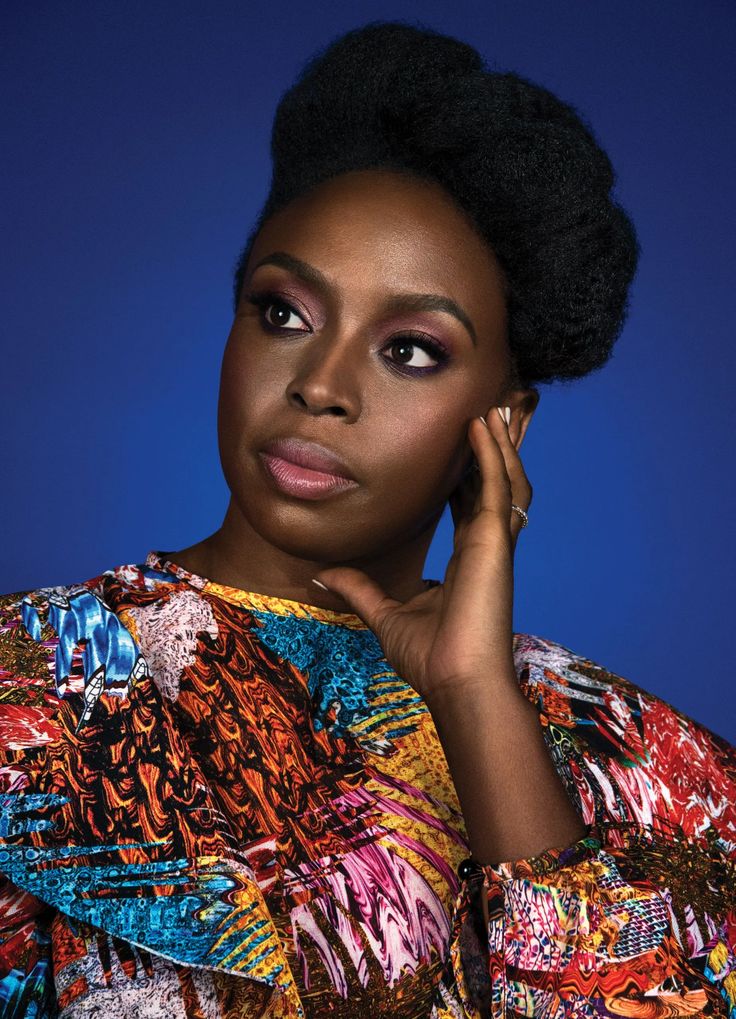
Adichie’s life reads almost like one of her own narratives, layered, culturally grounded, yet fluid across borders. Born in Enugu and raised in Nsukka, in the university town where her father worked and where Chinua Achebe once lived, she grew up in the quiet presence of literary legacy. But what makes her story compelling isn’t how close she was to greatness, it's how she redefined it on her own terms. She didn’t just inherit a tradition; she interrogated it and owned it.
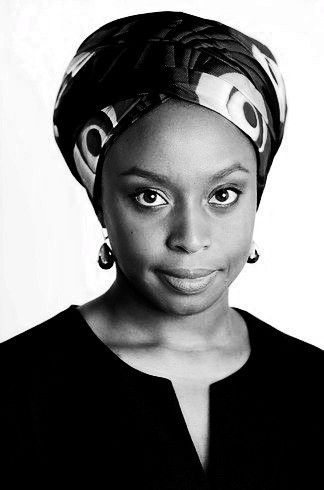
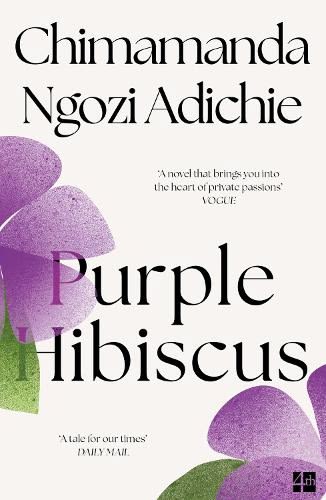
As creatives, we often wrestle with “THE” voice, wondering if it should sound global or polished. Adichie answers that question with a kind of calm defiance: your voice should sound like where you come from, even when it trembles….especially when it trembles. Her novels Purple Hibiscus, Half of a Yellow Sun, and Americanah, don’t just tell stories; they hold conversations and speak for themselves. Between past and present to who we are at home and who we become when the world is watching. Take Purple Hibiscus. On the surface, it is a story about family, religion, and control. But underneath, it is about “THE” voice, the slow, painful blooming of it. As a writer, you recognize that tension immediately: the fear of saying too much, the danger of saying too little. Adichie lingers in that space, stretching it until it feels almost unbearable, and then she lets it breathe. That’s her signature, she doesn’t shut the truth down she speaks it.
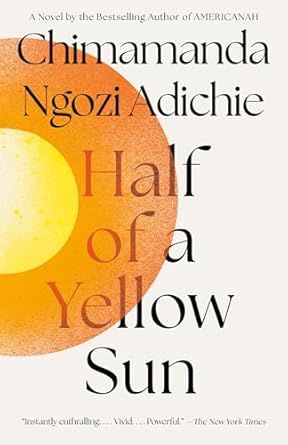
In Half of a Yellow Sun, she does something even more daring,she turns history into something more intimate. The Nigerian Civil War is no longer just a timeline of events; it becomes hunger, love, loss, and survival. As creatives, we’re often told to “humanize” big stories. Adichie doesn’t humanize history, she reveals that it was human all along.
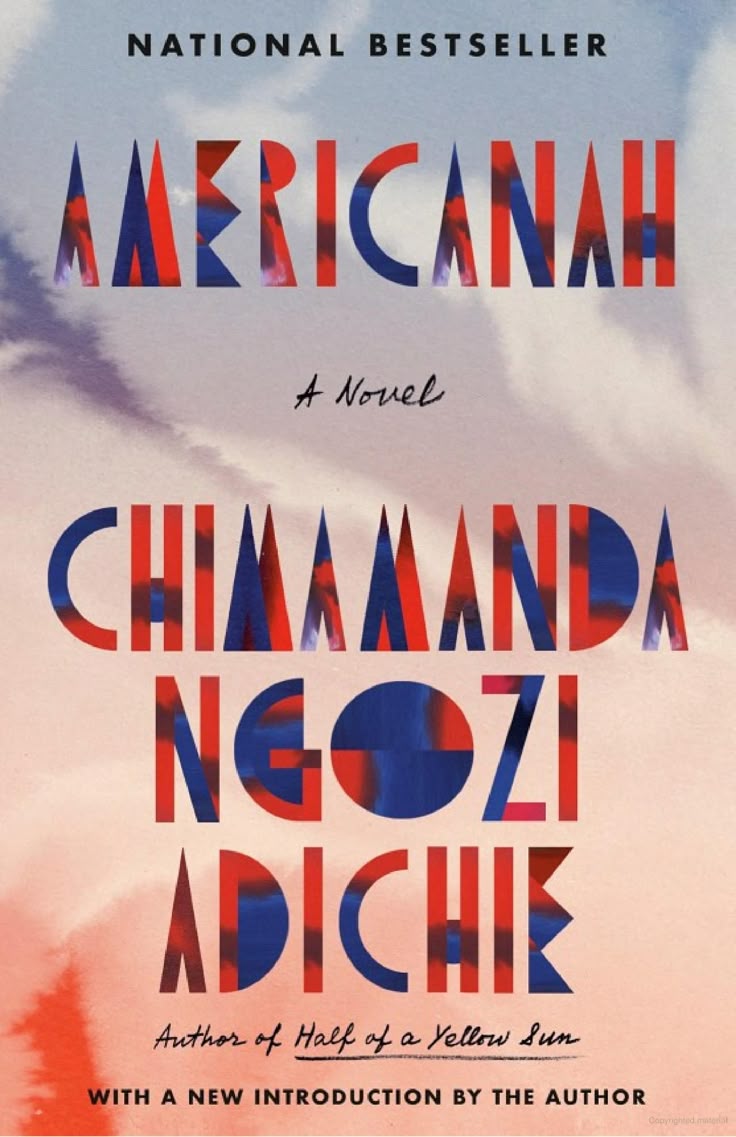
And then there’s Americanah, which feels like a long, honest exhale. Here, Adichie plays with identity in a way that is both sharp and quietly humorous. Race, migration, belonging, all of it, but filtered through everyday moments. Blog posts, hair salons, awkward conversations. It’s a reminder that powerful storytelling doesn’t always arrive dressed as tragedy; sometimes, it slips in through the ordinary.
What makes her writing style so distinct isn’t just what she says, it’s how she allows space. Space for contradiction. Space for discomfort. Space for characters to be deeply flawed and still worthy of understanding.
As a creative, that’s the real lesson.
We often feel pressured to make our work neat, clear morals, clean endings, digestible emotions. Adichie resists that instinct. Her stories linger in toughness because real life does. People are not summaries; they are paragraphs that refuse to end where you expect them to.
Even her nonfiction, like We Should All Be Feminists, carries this clarity without losing nuance. She speaks plainly, but never simply, there's always truth and fact. There’s a difference, and it’s one every writer spends years trying to understand.
From a creative’s perspective, engaging with Adichie’s work feels less like admiration and more like a quiet challenge.
Write stronger.
Write closer to home.
Write the story that feels a bit too dangerous to admit.
Because if there’s anything her life and work make clear, it’s this: stories are not just things we create, they are things we go through, question, and sometimes, finally, tell.
And maybe that’s why her voice travels so far. Not because it must, but because it refuses to do otherwise.
About the Author